The Art of Minimalist Living: Embracing Simplicity for a Fuller Life

In a world overflowing with possessions, distractions, and commitments, the concept of minimalist living has emerged as a beacon of clarity and peace. Minimalism is not just about decluttering your space; it’s about simplifying your life to focus on what truly matters. This blog post will explore the principles of minimalist living, its benefits, and practical steps to embrace this lifestyle.
Understanding Minimalism
What is Minimalism?
Minimalism is a lifestyle choice that encourages individuals to prioritize quality over quantity. It involves reducing physical and mental clutter to create space for experiences, relationships, and personal growth. At its core, minimalism is about making intentional choices that align with your values and goals.
The Philosophy Behind Minimalism
The philosophy of minimalism can be traced back to various cultural and philosophical traditions. It emphasizes the importance of living with intention and purpose. By stripping away the unnecessary, minimalists aim to uncover a deeper sense of fulfillment and happiness.
Benefits of Minimalist Living
Enhanced Focus and Clarity
One of the most significant advantages of adopting a minimalist lifestyle is the enhanced focus it brings. With fewer distractions, you can concentrate on what truly matters. This clarity can lead to improved productivity and creativity in both personal and professional endeavors.
Reduced Stress and Anxiety
A cluttered environment can contribute to feelings of stress and anxiety. By simplifying your surroundings, you create a calming atmosphere that promotes relaxation. Minimalism encourages mindfulness, allowing you to appreciate the present moment without the weight of excess.
Financial Freedom
Minimalism often leads to more mindful spending habits. By prioritizing experiences over possessions, individuals can save money and reduce debt. This financial freedom allows for greater flexibility and the ability to invest in meaningful experiences rather than material goods.
Improved Relationships
When you embrace minimalism, you create space for deeper connections with others. By focusing on quality time rather than material possessions, you can strengthen relationships with family and friends. Minimalism encourages shared experiences that foster meaningful bonds.
Practical Steps to Embrace Minimalist Living
Start with Decluttering
The first step towards minimalist living is decluttering your space. Begin by assessing your belongings and determining what you truly need. Here are some practical tips for effective decluttering:
Set a Goal: Decide on a specific area to declutter, such as a room or a closet.
Use the Four-Box Method: Label four boxes as "Keep," "Donate," "Sell," and "Trash." Sort your items accordingly.
One In, One Out Rule: For every new item you bring into your home, consider removing one item.
Simplify Your Schedule
Minimalism extends beyond physical possessions; it also applies to your time. Evaluate your commitments and prioritize activities that align with your values. Here’s how to simplify your schedule:
Identify Time Wasters: Reflect on how you spend your time and identify activities that do not bring you joy or fulfillment.
Learn to Say No: It’s okay to decline invitations or commitments that do not resonate with your priorities.
Create a Daily Routine: Establish a simple daily routine that includes time for self-care, relaxation, and meaningful activities.
Mindful Consumption
Adopting a minimalist lifestyle involves being mindful of what you consume. This applies to both physical items and information. Consider the following:
Quality Over Quantity: Invest in high-quality items that serve a purpose and will last longer.
Limit Digital Clutter: Unsubscribe from unnecessary emails and limit your time on social media to reduce information overload.
Practice Gratitude: Regularly reflect on what you are grateful for, which can help shift your focus from wanting more to appreciating what you have.
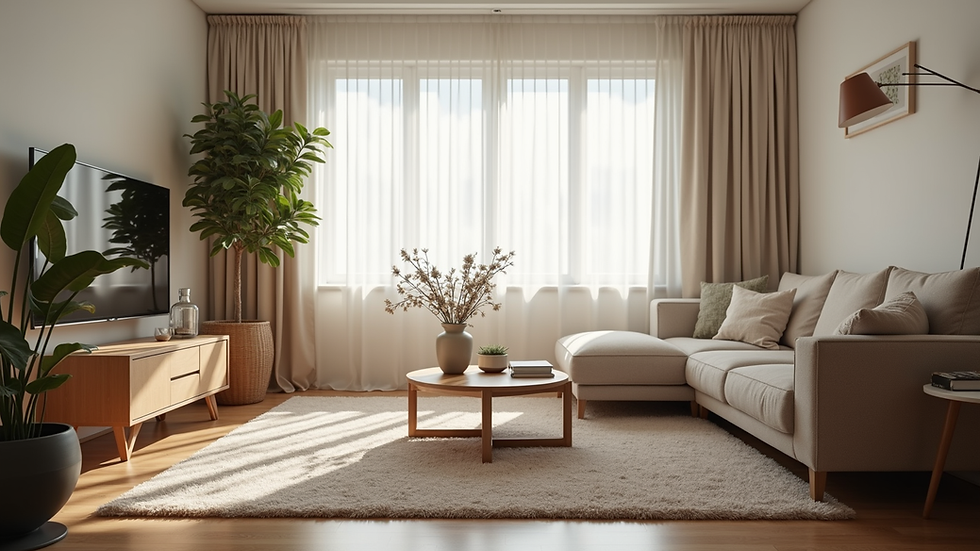
Create a Minimalist Space
Designing a minimalist space can enhance your overall well-being. Here are some tips for creating a calming environment:
Choose a Neutral Color Palette: Opt for calming colors that promote tranquility, such as whites, grays, and soft pastels.
Incorporate Natural Elements: Use plants and natural materials to bring a sense of calm and connection to nature.
Limit Decorations: Select a few meaningful decor items that resonate with you, rather than overcrowding your space with knick-knacks.
Overcoming Challenges in Minimalist Living
Emotional Attachment to Possessions
One of the biggest challenges in embracing minimalism is the emotional attachment we often have to our belongings. To overcome this, consider the following strategies:
Reflect on Memories: Instead of holding onto items for sentimental reasons, focus on the memories associated with them. Take a photo of the item and let it go.
Practice Detachment: Remind yourself that your worth is not tied to your possessions. Embrace the idea that letting go can lead to new opportunities.
Fear of Missing Out (FOMO)
In a consumer-driven society, the fear of missing out can make it difficult to embrace minimalism. To combat this fear, try these approaches:
Shift Your Perspective: Focus on the benefits of minimalism rather than what you might be missing. Emphasize the freedom and clarity that come with a simplified life.
Engage in Experiences: Invest in experiences rather than material goods. This can help shift your focus from possessions to meaningful moments.
Minimalism in Different Aspects of Life
Minimalism in Fashion
Adopting a minimalist wardrobe can simplify your daily routine and enhance your personal style. Here are some tips for a minimalist wardrobe:
Capsule Wardrobe: Create a capsule wardrobe with versatile pieces that can be mixed and matched. Aim for a limited number of items that you love and feel confident in.
Quality Over Quantity: Invest in high-quality clothing that lasts longer and fits well, rather than fast fashion items that quickly go out of style.
Minimalism in Technology
Technology can contribute to clutter in our lives. Here’s how to embrace minimalism in your tech use:
Limit Apps and Notifications: Uninstall apps that you don’t use regularly and turn off non-essential notifications to reduce distractions.
Digital Declutter: Organize your digital files and emails. Regularly delete unnecessary documents and unsubscribe from unwanted newsletters.
Minimalism in Relationships
Minimalism can also enhance your relationships. Consider these strategies:
Quality Time: Focus on spending quality time with loved ones rather than accumulating social obligations. Plan meaningful activities that foster connection.
Communicate Openly: Practice open communication with friends and family about your minimalist lifestyle. This can help them understand your choices and support your journey.
Conclusion
Embracing minimalist living is a transformative journey that can lead to a more fulfilling and intentional life. By simplifying your surroundings, commitments, and consumption, you can create space for what truly matters. Remember, minimalism is not about deprivation; it’s about making conscious choices that align with your values. As you embark on this journey, take small steps, be patient with yourself, and enjoy the freedom that comes with living a simpler life.
By adopting these principles, you can cultivate a lifestyle that prioritizes clarity, peace, and meaningful experiences. Start today, and discover the beauty of minimalism in your life.
Comentários